

Strategies, Benefits, and FAQs
In the digital age, e-commerce marketing has become a crucial component for online retailers looking to attract, engage, and convert customers. With the rapid growth of online shopping, implementing effective marketing strategies is essential for standing out in a competitive market. This article free 100 online casino into the key strategies for e-commerce marketing, highlights its benefits, and addresses frequently asked questions to guide you through creating a successful e-commerce marketing plan.
What is E-Commerce Marketing?
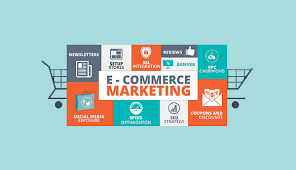
E-commerce marketing encompasses the various strategies and tactics used to drive traffic, increase sales, and enhance the overall performance of an online store. It includes a range of digital marketing activities, such as search engine optimization (SEO), pay-per-click (PPC) advertising, content marketing, social media marketing, email marketing, and more. The goal is to reach potential customers, encourage them to make purchases, and foster long-term relationships with them.
Key Strategies for E-Commerce Marketing
1. Search Engine Optimization (SEO)
SEO is the process of optimizing your e-commerce website to rank higher in search engine results pages (SERPs). By targeting relevant keywords, optimizing product descriptions, and improving site structure, you can increase organic traffic to your store. Key aspects of SEO for e-commerce include:
- Keyword Research: Identify and target keywords that potential customers are likely to use when searching for products.
- On-Page Optimization: Optimize product pages with unique and keyword-rich descriptions, meta tags, and high-quality images.
- Technical SEO: Ensure your website is technically sound with fast loading times, mobile responsiveness, and proper indexing.
2. Pay-Per-Click (PPC) Advertising
PPC advertising allows you to place ads on search engines and social media platforms, paying only when users click on your ads. Effective PPC campaigns can drive targeted traffic to your e-commerce store and boost conversions. Key components of PPC advertising include:
- Keyword Selection: Choose relevant keywords for your ads to target potential customers searching for specific products.
- Ad Creation: Create compelling ad copy and visuals that attract clicks and encourage users to visit your store.
- Campaign Management: Monitor and optimize your campaigns to improve performance and maximize return on investment (ROI).
3. Content Marketing
Content marketing involves creating and sharing valuable content to attract and engage potential customers. For e-commerce, this can include blog posts, product reviews, buying guides, and more. Effective content marketing can:
- Build Brand Authority: Establish your store as an authority in your niche by providing valuable and informative content.
- Drive Traffic: Use content to drive organic traffic to your website through search engines and social media.
- Engage Customers: Engage and educate your audience, fostering trust and encouraging repeat purchases.
4. Social Media Marketing
Social media marketing involves promoting your e-commerce store through platforms like Facebook, Instagram, Twitter, and LinkedIn. Key strategies include:
- Platform Selection: Choose social media platforms that align with your target audience.
- Content Creation: Share engaging and relevant content, including product updates, promotions, and customer testimonials.
- Paid Advertising: Utilize social media ads to target specific demographics and drive traffic to your store.
5. Email Marketing
Email marketing remains a powerful tool for e-commerce businesses to communicate with customers and drive sales. Effective email marketing strategies include:
- List Building: Build and segment your email list to target different customer groups effectively.
- Personalization: Personalize email content based on customer behavior and preferences to increase engagement.
- Automation: Use automated email campaigns for welcome emails, abandoned cart reminders, and promotional offers.
Benefits of E-Commerce Marketing
1. Increased Visibility and Traffic
Effective e-commerce marketing strategies help increase your store’s visibility and drive more traffic to your website. By optimizing for search engines, running targeted ads, and engaging on social media, you can attract a larger audience and boost your chances of making sales.
2. Higher Conversion Rates
Marketing strategies such as personalized content, targeted ads, and email campaigns can lead to higher conversion rates. By addressing customer needs and preferences, you can improve the likelihood of turning visitors into paying customers.
3. Enhanced Customer Engagement
Engaging with customers through content marketing, social media, and email can build stronger relationships and foster loyalty. Satisfied customers are more likely to make repeat purchases and recommend your store to others.
4. Improved ROI
By using data-driven strategies and continuously optimizing your marketing efforts, you can improve the return on investment (ROI) for your e-commerce marketing campaigns. Tracking performance metrics helps you allocate resources effectively and maximize results.
Frequently Asked Questions
1. What is the best e-commerce marketing strategy for a new store?
For a new e-commerce store, a combination of SEO, content marketing, and social media marketing is often effective. SEO helps build organic traffic, content marketing establishes authority, and social media drives engagement and brand awareness. Additionally, consider running PPC campaigns to quickly drive targeted traffic to your site.
2. How can I measure the success of my e-commerce marketing efforts?
To measure the success of your e-commerce marketing efforts, track key performance indicators (KPIs) such as website traffic, conversion rates, average order value, and return on ad spend (ROAS). Use analytics tools to monitor and analyze these metrics, and make data-driven decisions to optimize your marketing strategies.
3. How often should I update my e-commerce marketing strategies?
Your e-commerce marketing strategies should be reviewed and updated regularly. Evaluate your performance metrics at least quarterly and adjust your strategies based on changes in customer behavior, market trends, and the effectiveness of your campaigns. Continuous optimization helps ensure your marketing efforts remain relevant and effective.
4. What role does mobile optimization play in e-commerce marketing?
Mobile optimization is crucial in e-commerce marketing as a significant portion of online shopping is conducted on mobile devices. Ensure your website is mobile-friendly with responsive design, fast loading times, and easy navigation. Mobile optimization enhances the user experience and can lead to higher conversion rates.
5. How can I use data to improve my e-commerce marketing?
Use data analytics to gain insights into customer behavior, marketing performance, and market trends. Analyze data to understand which strategies are working, identify areas for improvement, and make informed decisions. Implement A/B testing to experiment with different approaches and optimize your marketing efforts based on data-driven results.
